
Useful agents. Clear boundaries.
Define a browser agent’s authority, action gates, and stop conditions before allowing it into a research workflow.
Build a process another person can continue.
These articles cover the practical sequence around a research task: collecting evidence, choosing tools, preserving data context, and sharing results. Read them as connected pieces rather than a mandatory tool stack. A short, inspectable workflow can be more useful than a complicated system whose assumptions disappear between steps.
Begin with “AI browser agents: design permissions before automation” for a focused method you can apply to a small reading or planning exercise. Keep the original reference open beside the article, note which recommendations fit your task, and preserve any unresolved questions for review. Follow the related topic guides to change perspective without losing the source context.
Define a browser agent’s authority, action gates, and stop conditions before allowing it into a research workflow.
Review extension access, page context, remote processing, updates, and removal using a contained, non-sensitive test.
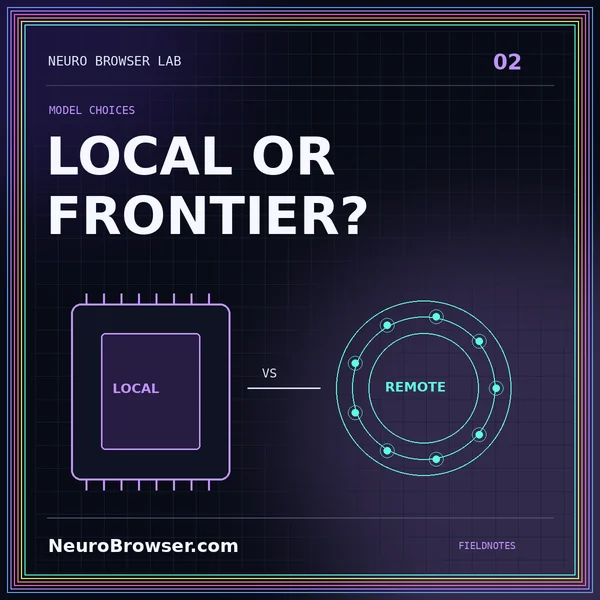
A task-based framework for comparing model quality, device constraints, data boundaries, and review effort.
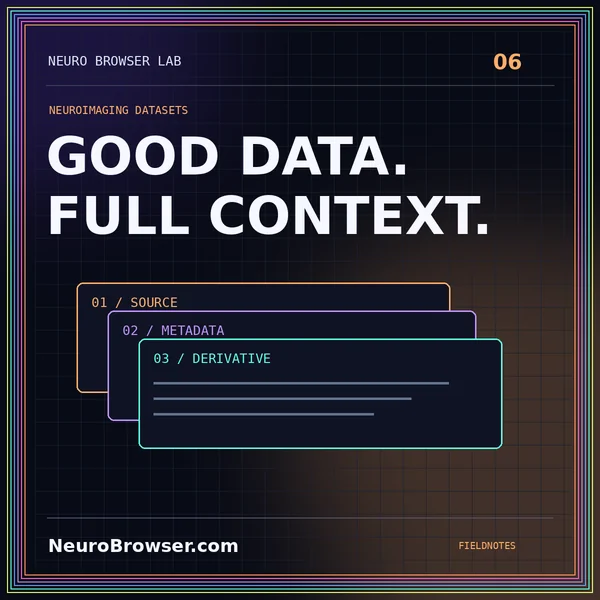
Use a structured review process to understand acquisition details, participant boundaries, derivatives, and dataset handoffs.
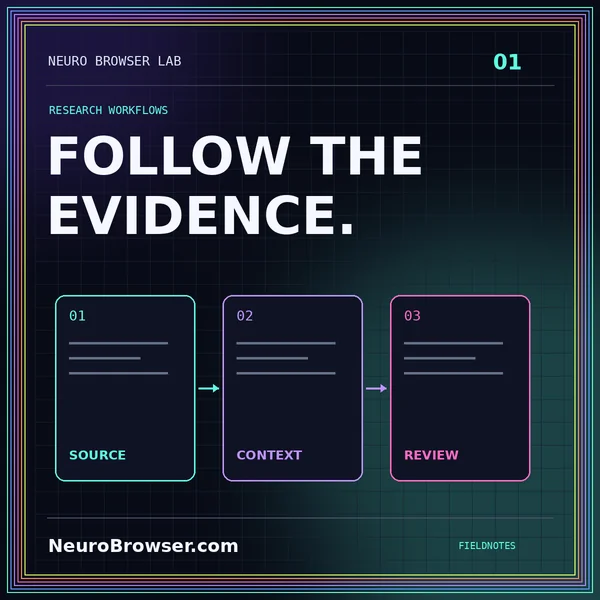
Turn scattered tabs and AI summaries into a reading process another person can inspect, question, and continue.
Keep the larger question in view. These complete guides connect the reading path to definitions, limitations, and practical review questions.
Use these connected reading paths to explore source literacy, evaluation, data quality, and the decisions around a research workflow.